
Top LPN Programs Near You 2025
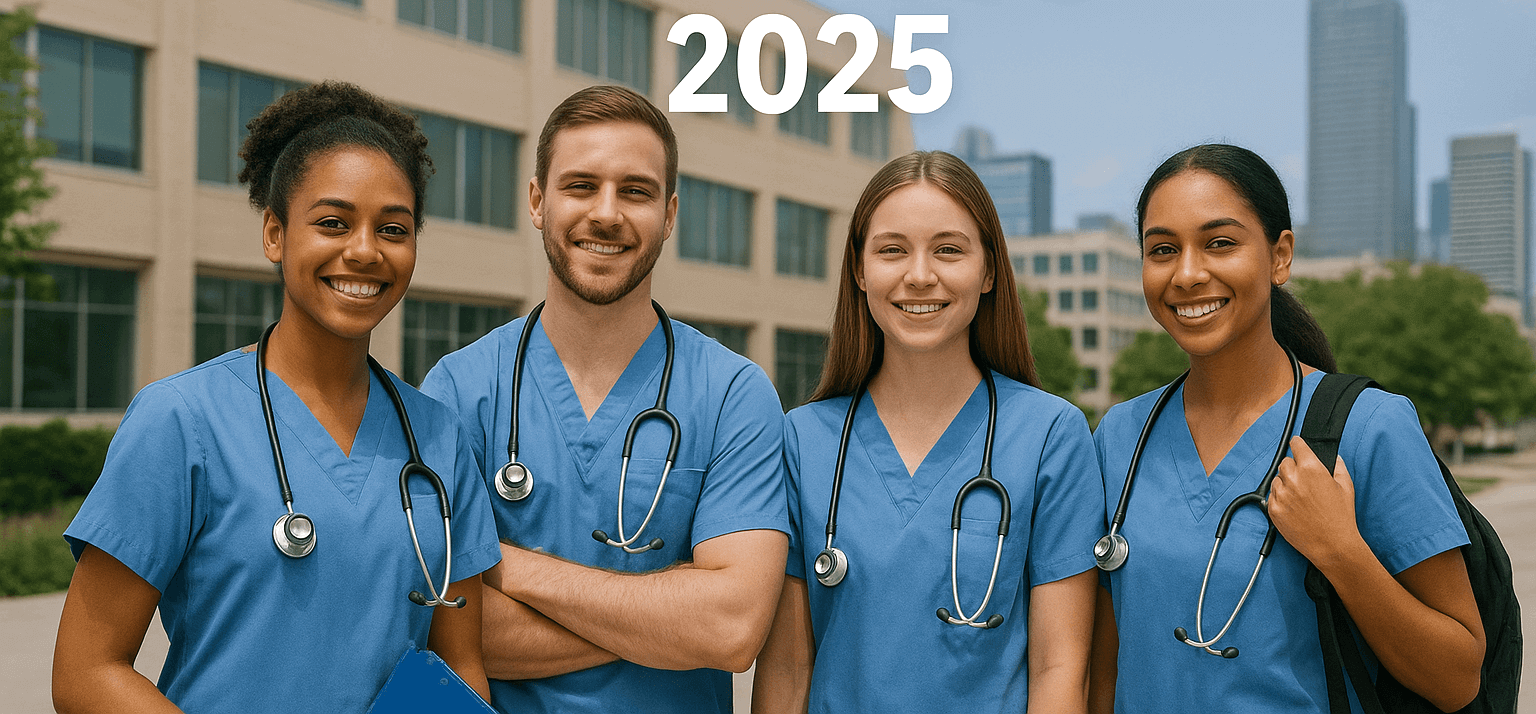
Top LPN Programs Near You 2025
Beginning a career as a Licensed Practical Nurse (LPN) offers one of the most accessible entry points into professional nursing. These programs combine clinical training with classroom instruction, equipping students with the essential knowledge and practical skills needed to deliver compassionate, hands-on care.
For many aspiring nurses, becoming an LPN is both a fast and fulfilling route into the healthcare workforce. Selecting the right program is an important first step. Factors such as state accreditation, program flexibility, and distance from your location play a major role in shaping both your learning experience and career readiness.
Accredited institutions ensure you meet licensure requirements, while scheduling options, such as part-time or hybrid study, allow learners to balance school with personal or professional commitments.
This comprehensive 2025 guide explores the top LPN programs near me, helping you identify the most reputable and accessible options available. Testavia’s nursing program directory and prep resources make it easier to compare accredited schools, explore funding options, and prepare for success in your LPN licensure exam, all in one trusted platform.
2. What an LPN Program Involves
An LPN program provides the academic foundation and clinical experience needed to begin a hands-on nursing career. Most programs take 12 to 18 months to complete, depending on whether you enroll full-time, part-time, or through an accelerated track. Students gain both theoretical knowledge and real-world practice in supervised healthcare settings.
Coursework typically includes subjects such as anatomy and physiology, pharmacology, nutrition, and patient care fundamentals. Classroom instruction builds understanding of core nursing concepts, while clinical placements allow students to apply those lessons directly in hospitals, clinics, or long-term care facilities.
Key Learning Areas Include:
- Performing patient assessments and monitoring vital signs.
- Administering oral and injectable medications safely.
- Documenting care accurately within electronic health records (EHRs).
- Supporting wound care, mobility, and hygiene routines.
- Communicating effectively with patients, families, and healthcare teams.
These competencies form the essential groundwork for practical nursing and ensure readiness for both employment and licensure.
After completing an accredited program, graduates must pass the NCLEX-PN, the national licensure exam administered by the National Council of State Boards of Nursing (NCSBN). A passing score qualifies candidates for state licensure, officially granting permission to practice as a Licensed Practical Nurse.
3. How to Find Accredited LPN Programs Near You
Choosing the right LPN program starts with confirming accreditation. This status verifies that the school meets state and national nursing education standards, an essential requirement for NCLEX-PN eligibility and future employment.
Key steps for finding accredited programs
- Verify accreditation: Check your state board of nursing or trusted sources like NCSBN for approved institutions.
- Compare outcomes: Review each program’s graduation and NCLEX-PN pass rates to gauge quality.
- Evaluate costs and faculty: Balance tuition against instructor experience and available clinical placements.
- Check clinical partnerships: Strong affiliations ensure supervised hands-on training in real healthcare environments.
- Assess flexibility: Look for evening, weekend, or hybrid options if balancing work or family.
Remember, accredited LPN schools prepare you not only to pass exams but also to deliver safe, quality care to patients from diverse backgrounds.
4. Types of LPN Programs
LPN training options have evolved to accommodate students with varied schedules, financial needs, and learning preferences. Below are the main types of programs you will encounter in 2025:
- Full-Time Traditional Programs
Traditional programs follow a daytime schedule with in-person lectures, labs, and clinicals. These are ideal for students who can commit to a consistent, on-campus routine and want the structure of classroom learning.
- Evening LPN Programs Near Me
Designed for working adults, evening LPN programs near me allow students to attend classes after typical work hours. Clinical training often takes place on weekends or evenings, providing flexibility without compromising education quality. This model helps many students pursue their nursing goals while maintaining full-time employment or family obligations.
- LPN Hybrid Programs Near Me
For students seeking flexibility and convenience, LPN hybrid programs near me combine online coursework with in-person clinical sessions. This format enables learners to complete theoretical lessons remotely and gain essential hands-on practice locally. Hybrid programs are particularly beneficial for parents, caregivers, and individuals in rural areas who may face commuting challenges.
- Free LPN Programs Near Me
Financial barriers shouldn’t prevent anyone from pursuing nursing. Fortunately, free LPN programs near me are available through employer sponsorships, state-funded workforce initiatives, and grants such as the Workforce Innovation and Opportunity Act (WIOA). These programs often require a work commitment after graduation, making them a cost-effective and career-secure choice for aspiring nurses.
- Bridge and Advanced Pathways
Many institutions offer bridge options that allow Certified Nursing Assistants (CNAs) or medical assistants to fast-track into LPN roles. These programs recognize prior learning and experience, reducing overall training time. Whether you’re seeking a full-time, evening, or hybrid format, bridge pathways make nursing advancement more attainable than ever.
5. LPN to RN Bridge Programs Near Me
Earning an LPN license is only the beginning of a lifelong nursing career. For many professionals, advancing through an LPN to RN bridge program near me provides a fast, structured pathway toward higher-level nursing practice. This transition expands your clinical authority, increases earning potential, and opens doors to specialized and leadership roles.
Bridge programs are designed specifically for Licensed Practical Nurses who already possess foundational patient care skills. Most take 12 to 18 months to complete and accept transfer credits from prior coursework, saving both time and tuition. Students strengthen their expertise in:
- Leadership and healthcare management.
- Critical thinking and care coordination.
- Complex patient assessment and evidence-based decision-making.
Many schools now offer online, part-time, or hybrid LPN to RN bridge programs, allowing nurses to continue working while earning their degree. These flexible formats support professional balance and steady progress toward advancement.
After graduation, students become eligible to sit for the NCLEX-RN exam, gaining full licensure as Registered Nurses (RNs). From there, additional education such as a Bachelor of Science in Nursing (BSN) or Nurse Practitioner (NP) degree remains within reach.
FAQs: LPN to RN Bridge Pathway
How long does an LPN to RN bridge take?
Most bridge programs last between 12 and 18
months, depending on part-time or full-time enrollment. Prior coursework and clinical experience can shorten
this duration.
Can I work during bridge training?
Yes. Many bridge programs offer flexible or hybrid
schedules to help working LPNs balance professional and academic responsibilities.
Is financial aid available for bridge students?
Absolutely. Many employers provide
tuition reimbursement, and eligible students can apply for federal aid through FAFSA.gov or workforce
development grants.
6. Costs and Financial Aid
Tuition for LPN programs generally ranges between $10,000 - $15,000, depending on location and institution type. Community colleges and vocational schools tend to offer more affordable options. Financial aid is available through federal grants, scholarships, and private assistance programs.
Students should also explore free LPN programs near me that partner with hospitals or government-funded initiatives. These options often provide tuition coverage in exchange for a service commitment, allowing you to graduate debt-free while gaining job security.
7. Admission Requirements
Entering an LPN program requires both academic and personal readiness. Most schools expect:
- High school diploma or GED equivalent
- Passing TEAS exam score
- Background check and updated immunizations
- Valid CPR certification
In addition to academic qualifications, successful nursing students demonstrate strong communication, time management, and empathy, qualities that are essential in patient-centered care settings.
These qualifications ensure students are prepared for the academic and clinical demands of practical nursing education.
8. Career Outlook and Licensing
After completing an accredited program, students must pass the NCLEX-PN exam and apply for licensure through their state’s board of nursing. The Bureau of Labor Statistics (BLS) projects approximately 3% growth in LPN employment through 2034, driven by an aging population and increased demand for long-term care services.
Licensed Practical Nurses can work in hospitals, nursing homes, clinics, and home health environments. With experience, many choose to advance through bridge programs or supervisory roles. The LPN role remains an excellent starting point for anyone aspiring to enter the healthcare field quickly and build a sustainable, long-term career.
9. Choosing the Right LPN Program
Selecting the ideal LPN program requires careful consideration of several factors: accreditation status, program cost, class schedule, and clinical quality. Evaluate schools based on graduation rates, NCLEX-PN pass percentages, and student satisfaction reviews.
Before committing, make sure the curriculum aligns with your learning preferences and personal schedule. Whether you’re leaning toward an evening LPN program near me, hybrid course, or traditional option, the right program should offer both flexibility and academic rigor.
For guidance on exam preparation and bridge opportunities, visit Testavia.com, where you’ll find expert resources, TEAS and NCLEX-PN practice tests, and detailed program comparisons.
Conclusion
LPN programs serve as the gateway to a fulfilling and stable nursing career. They offer hands-on experience, patient interaction, and the foundational knowledge needed to grow within the healthcare system. With flexible formats, financial aid opportunities, and bridge pathways, becoming an LPN in 2025 has never been more achievable.
Ready to take the first step? Explore LPN programs near me today and discover a path that fits your goals. Visit Testavia.com for trusted tools, study resources, and detailed guides to help you prepare for your TEAS and NCLEX-PN exams, and start your nursing journey with confidence.