Nursing Informatics in 2025
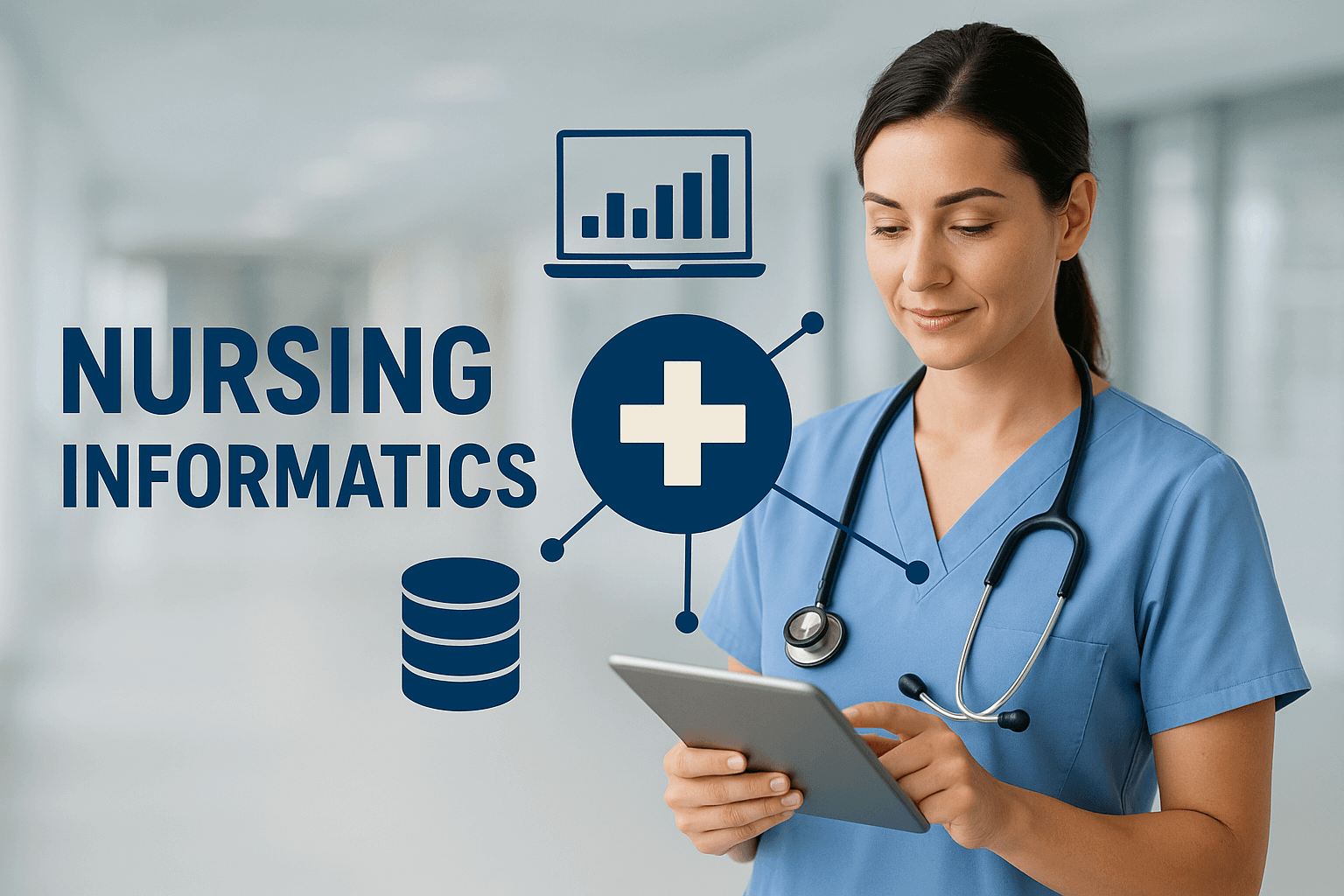
Nursing Informatics in 2025: How Technology is Transforming Patient Care
1. Introduction
In today’s healthcare environment, nursing informatics has become one of the most dynamic and transformative specialties within the nursing profession. Nursing informatics is the integration of nursing science with data and technology, ensuring that clinical decisions are informed by accurate and timely information.
The year 2025 marks a pivotal moment where digital health, telemedicine, and artificial intelligence are reshaping nursing roles across hospitals and community care settings. With the growing need for data-driven care, nurses who specialize in informatics are now central to modern patient management.
This article explores all aspects of nursing informatics, including the responsibilities of a nurse informatics specialist, job outlook, salary trends, efficient NCLEX preparation tools, and the educational path to enter this field. Whether you are a nursing student or a practicing RN, understanding how technology and compassion merge in nursing informatics can help you navigate a rewarding career path.
2. What Is Nursing Informatics?
Nursing informatics is an interdisciplinary specialty that blends nursing science, computer science, and information technology to enhance patient outcomes and strengthen clinical efficiency. This field focuses on how nurses collect, analyze, and apply healthcare data to make informed, evidence-based decisions at the point of care.
Nursing informatics integrates information and analytical sciences to identify, define, manage, and communicate essential data within nursing practice. This definition underscores the modern nurse’s dual role as both a compassionate caregiver and a skilled data specialist.
Informatics nurses bridge the gap between technology and bedside care. They ensure that digital systems, such as electronic health records and clinical decision support tools, align with patient-centered goals and practical workflows.
The integration of analytics and information systems plays a critical role in:
- Reducing clinical errors through precise data management.
- Improving team coordination via shared digital platforms.
- Supporting real-time decisions with accurate, actionable insights.
In 2025 and beyond, nursing informatics continues to redefine healthcare by merging compassion with technology, transforming data into knowledge and knowledge into better patient outcomes
.
3. The Role of an Informatics Nurse
An informatics nurse acts as the essential link between clinical care and information technology. Typically, a registered nurse (RN) with specialized training in data systems and analytics ensures that digital tools are effectively integrated into everyday practice. Their goal is to improve patient safety, streamline workflows, and enhance overall care quality.
Core responsibilities include:
- Configuring and maintaining Electronic Health Record (EHR) systems.
- Training clinical staff on digital documentation and software updates.
- Analyzing outcome data to guide evidence-based improvements.
- Ensuring compliance with Health Insurance Portability and Accountability Act of 1996 and institutional privacy standards.
Informatics nurses frequently collaborate with physicians, administrators, and IT teams to align technology with clinical priorities. They help translate nursing needs into practical digital solutions that make healthcare more efficient and patient-centered.
Specializations within this field include Clinical Informatics, Nursing Data Analytics, and Public Health Informatics. Each area allows nurses to work collaboratively with physicians, IT personnel, and administrators to enhance system interoperability and patient outcomes.
4. Nursing Informatics Jobs in 2025
The field of nursing informatics continues to expand rapidly as hospitals and clinics adopt data-driven technologies. Reports from the Bureau of Labor Statistics (BLS) and the Healthcare Information and Management Systems Society (HIMSS) project strong career growth through the 2030s, fueled by increasing reliance on electronic health data, telehealth systems, and digital documentation.
Common job titles in 2025 include:
- Clinical Informatics Specialist - integrates digital tools into patient care workflows.
- Data Quality Analyst - ensures accuracy and consistency of health information.
- EHR Implementation Nurse - leads software rollouts and user training.
- Informatics Nurse Educator - teaches evidence-based informatics principles to clinical teams.
These professionals work across diverse environments: hospitals, academic medical centers, public health agencies, and private software companies. Their value lies in bridging clinical expertise with advanced IT understanding, translating real-world nursing needs into functional, safe, and efficient digital systems.
As healthcare evolves toward telehealth expansion and predictive analytics, informatics nurses remain central to innovation. Nursing students exploring technology-focused paths will find this specialty both stable and intellectually rewarding.
5. Nursing Informatics Salary Outlook
The nursing informatics salary continues to rise in 2025, reflecting the specialized skills and technical expertise this role demands. According to recent data from the Healthcare Information and Management Systems Society, professionals in this field earn between $67,310 and $110,000 annually, with top earners exceeding $150,000 in advanced or managerial positions.
Salary factors include:
- Experience level: Entry level positions attract lower salaries but the higher the experience level the higher the wages.
- Education and certifications: Degrees such as MSN or DNP and credentials like NI-BC or RHIA boost competitiveness.
- Work setting and region: salaries vary across hospitals, research centers, and technology firms, especially in major metropolitan areas.
Emerging high-paying specialties:
- AI integration and predictive analytics
- Data security and system interoperability
- Clinical workflow design
In 2025, informatics nurses with a blend of clinical insight and advanced technical fluency are among the highest-paid professionals in modern healthcare. Their expertise ensures safe, efficient, and data-informed patient care, a cornerstone of digital transformation.
6. Education Pathway to Become an Informatics Nurse
The journey to becoming an informatics nurse blends clinical expertise with advanced technological training. Most professionals begin their path by earning a Bachelor of Science in Nursing (BSN) and obtaining RN licensure. Building real-world bedside experience helps develop the clinical insight necessary for data-driven practice.
The next academic step is a Master of Science in Nursing (MSN) with a concentration in nursing informatics. Some nurses advance further into Doctor of Nursing Practice (DNP) or post-graduate informatics certificates, focusing on leadership and systems innovation.
Recommended certifications include:
- Informatics Nursing Board Certification (NI-BC)
- The Certified Professional in Healthcare Information and Management Systems (CPHIMS)
- Registered Health Information Administrator (RHIA)
Graduate and continuing education programs emphasize:
- Health data analytics and visualization
- EHR systems design and interoperability
- Healthcare ethics and data governance
These credentials validate technical proficiency and prepare nurses to collaborate effectively with clinicians, administrators, and IT professionals. This ensures that data systems truly enhance patient care quality and safety.
7. How Nursing Informatics Improves Patient Care
The central purpose of nursing informatics is to elevate patient care through smarter, data-driven systems. Informatics nurses bridge clinical expertise and technology, helping healthcare teams make accurate, timely decisions that enhance safety and outcomes.
Key improvements driven by informatics include:
- Reducing medication errors through automated verification and barcode systems.
- Enhancing communication across interdisciplinary teams via secure digital platforms.
- Streamlining documentation to save time and improve care accuracy.
Emerging tools such as predictive analytics and AI-supported decision systems allow nurses to anticipate patient risks, personalize treatment plans, and prevent complications. Telehealth platforms further extend care access, especially in rural or underserved communities.
Informatics specialists also strengthen public health initiatives by analyzing disease trends, improving chronic disease tracking, and supporting community wellness programs through digital monitoring tools.
Through a balance of compassion and analytical insight, informatics nurses ensure that healthcare remains both efficient and profoundly human, blending empathy with innovation for safer, higher-quality care.
8. Future Trends in Nursing Informatics (2025 & Beyond)
The future of nursing informatics is defined by rapid technological advancement and deeper collaboration between healthcare and digital innovation. In 2025 and beyond, nurses will work side-by-side with software developers, engineers, and data scientists to create systems that support personalized medicine and precision care.
Key trends shaping the next decade:
- Artificial Intelligence (AI) - enhancing clinical decision-making through predictive algorithms and automated risk assessment.
- Blockchain technology - improving data security, transparency, and patient consent management.
- Internet of Medical Things (IoMT) - connecting devices for continuous health monitoring and real-time feedback.
- Cloud-based interoperability - ensuring seamless information exchange between hospitals, clinics, and home care systems.
These innovations will empower nurses to interpret complex datasets, anticipate patient needs, and design evidence-based interventions. The growing trend of nurse-led technology projects will also redefine professional roles, allowing clinicians to directly shape digital solutions for remote care, patient education, and engagement.
As healthcare becomes more interconnected and intelligent, informatics nurses will remain at the forefront of this transformation, blending empathy, ethics, and analytics to guide the future of digital healthcare.
Conclusion
Nursing informatics stands as the bridge between human compassion and technological innovation. As healthcare systems evolve into fully digital ecosystems, informatics nurses play an essential role in turning data into meaningful action that directly enhances patient safety, quality, and experience.
Their ability to interpret information, optimize workflows, and coordinate care across platforms ensures that data serves people. Whether implementing new clinical systems or guiding teams through digital transitions, these professionals shape the foundation of modern, efficient, and equitable healthcare delivery.
Aspiring informatics nurses can begin building their expertise early. Testavia’s RN and NCLEX prep tools provide adaptive learning resources that strengthen clinical knowledge and digital fluency. Through structured study plans, real-world case scenarios, and informatics-focused modules, students learn how to study smarter and prepare for leadership in data-driven nursing.